
Portfolio
In Search of the Striped Beauty – Sanjayan KB, Founding Member of TNHS

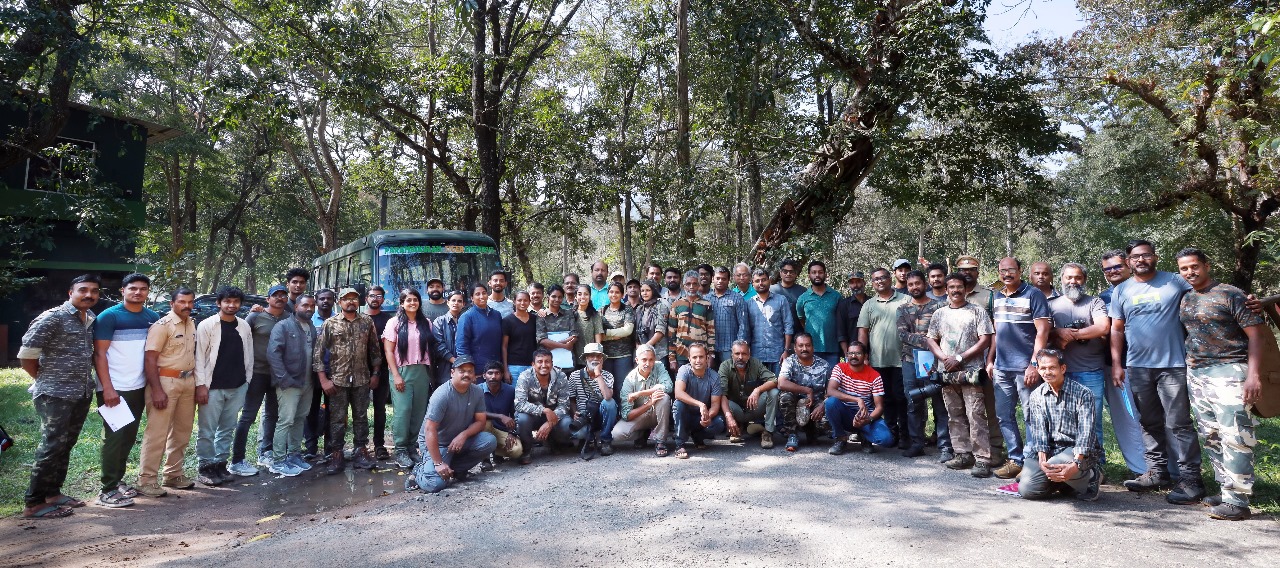
Participated in a three-day Faunal Survey at Parambikulam Tiger Reserve (PTR)...The exercise was organised by PTR, Forests and Wildlife Dept Kerala, in association with Travancore Nature History Society (T.N.H.S), a Thiruvananthapuram-based NGO working in areas of nature conservation and environment protection based on scientific principles. Besides T.N.H.S, many noted NGOs from the states of Tamil Nadu and Karnataka participated in the event.
Around 70 delegates and an equal number of forest staff joined the survey. Around 70 delegates and an equal number of forest staff joined the survey. For those participants who headed for the unique survey through the Pollachi -Top Slip route, a hair-raising historical revelation was in store for them. They could pay tributes to Hugo Francis Andrew Wood, a Scot by birth and an Imperial Forest Service (IFS) officer, who was stationed in Anamalai and adjoining forests from 1893 till his retirement in 1926. He held different positions from assistant conservator of forests to conservator of forests in 1918. Appalled by the rampant destruction of forests by the British between 1800 and 1900, Hugo Wood vowed on growing teakwood trees in the Anamalai forests. Hugo Wood used to wear a shirt with four pockets containing teakwood seeds and walk with a stick in the reserve forest in Topslip near Pollachi every morning, which had been completely destroyed by British government, before his arrival. The Mount Stuart Tramway was in fact laid to transport timber from Topslip through Parambikulam. Hugo Wood sowed the seeds in pits made with his stick. Due to the concerted efforts of Hugo Wood, Anamalai and adjoining areas were converted back to dense forests. The rich quality forests which now Anamalai boasts of would not have been a reality without Hugo Wood’s foresight and devotion. His contribution is remembered even now by the Forest department. On his death anniversary every year, the department pays respects to him at his grave situated at at Topslip near Pollachi in Coimbatore district. Hugo Woods devoted his life for Anamalis and died for it. His end came at the age of 63 in Nilgiri on December 12, 1933.
The 70 nature observers who were stationed in different base camps for scouting the nook and corner of the Reserve, made a trail of butterflies, odonates, cicadae, ants, bees, mantis, spiders and other invertebrates. They also noted down birds, amphibia, reptiles and mammals.
A total of 204 species of butterflies were recorded in which four were new species. Thus the current list of butterfly sightings in the Reserve has gone up to 287. The latest additions to the checklist were Nilgiri Four Ring, Sahyadri Rosy Oak blue, Blue-bordered Plain and Variable Plain Palm-Dart. The list included interesting species like Sahyadri Grass Yellow, Shiva Sunbeam, Sahyadri Birdwing (Troides minos), Travancore Evening Brown, Nilgiri Tiger, Sahyadri Lacewing, Malabar Banded Swallowtail and Sahyadri Dartlet.
A total of 41 species of Odonates were observed in the survey, adding four species, taking the total odonate population in Parambikulam Reserve to 58 from 54. The newly found species were Anaciaeschna martini (Selys, 1897), Paragomphus lineatus (Selys, 1850), Diplacodes lefebvrii (Rambur, 1842) and Trithemis pallidinervis (Kirby, 1889).
The number of birds recorded in the survey were 162. Short-toed Snake Eagle, Brown Wood Owl and Paddyfield Pipit were the three species that were newly recorded in Parambikulam. Other notable species recorded included Sri Lanka Frogmouth, Great Eared Nightjar , Oriental Darter, River Tern, Black Eagle, Bonelli's Eagle, Lesser Fish Eagle, Grey-headed Fish Eagle, Malabar Trogon, Great Indian Hornbill, Malabar Pied Hornbill, White-bellied Drongo, Wayanad Laughing Thrush, Black Bulbul and White-rumped Shama. The delegates came across herds of elephants, Indian Gaurs, Spotted Deer and Sambhar Deer. Interesting Mammal observations included Striped-necked Mongoose, Lion-tailed Macaque, Nilgiri Langur, Smooth-coated otter and Mugger Crocodile. An Indian Giant Flying Squirrel (Petaurista philippensis) was observed by inmates of Elathode/Tekady base camp. Being a nocturnal animal, it was seen gliding from one branch to the lower branch in the thick of darkness.
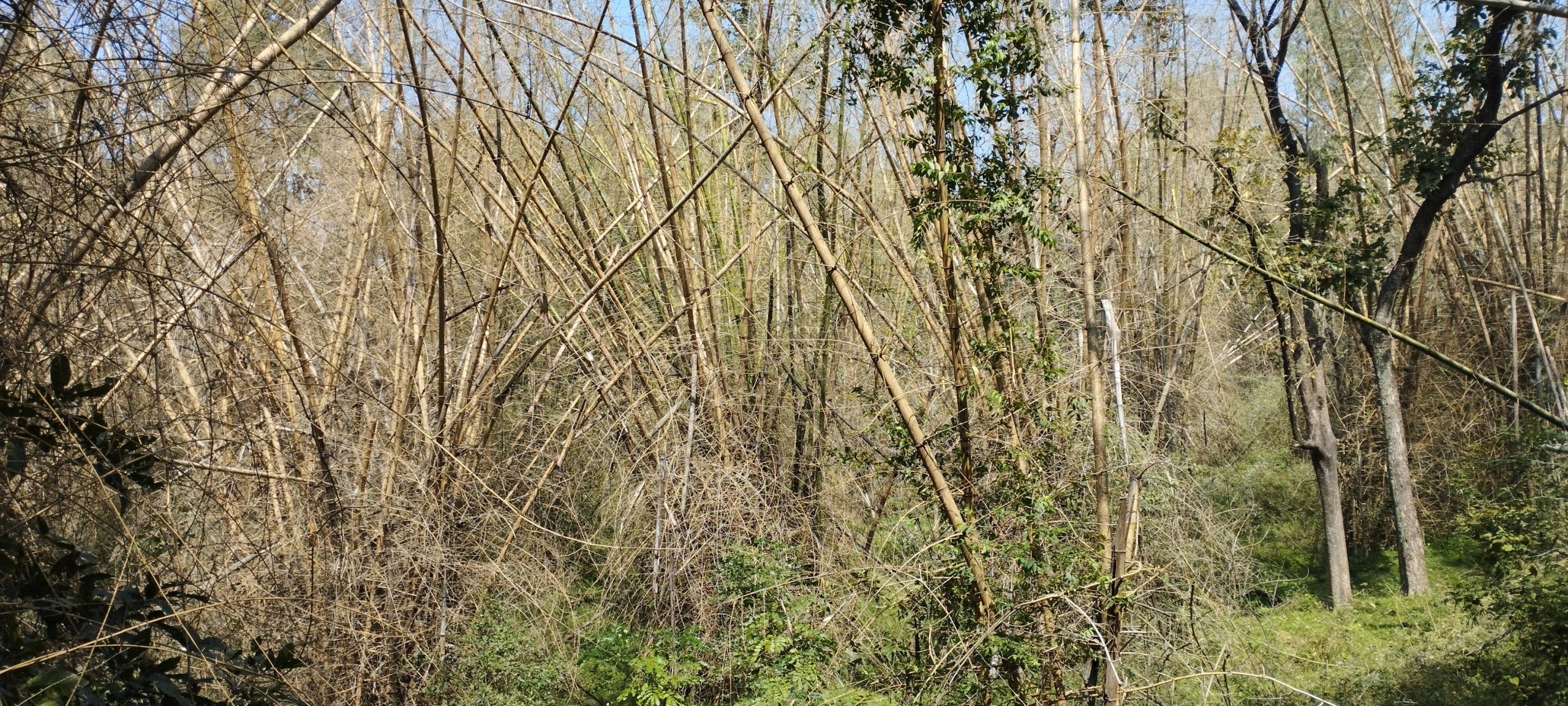
Getting the junglie experience of a night life in the deep interiors of a protected forest was unique for many...The loud whining howling of the Sambhar deer, the incessant rhythmic calls of the nightjar, the call of the 'Brain Fever Bird' which begins innocuously but climbs to a crescendo in no time and the trumpeting of playful elephant herds often punctuated the otherwise serene but fearsome silence of the jungle. All the base camps including Tellickkal. Parambiyar, Vengoli, Kuchimudi, Orukomban, Elathode/Tekady etc were providing awesome experiences, day after day. For delegates in the Elathode base camp, every daybreak was accompanied by the mellifluous calls of White-rumped Shama, the Song Bird of India. As bamboo thickets provided the ideal habitat for Shama, the bird abounded in Elathode section where the typical habitat was of degraded bamboo rakes. They were roosting close to the camp building as well and their calls were heard from far and near in the dusk.
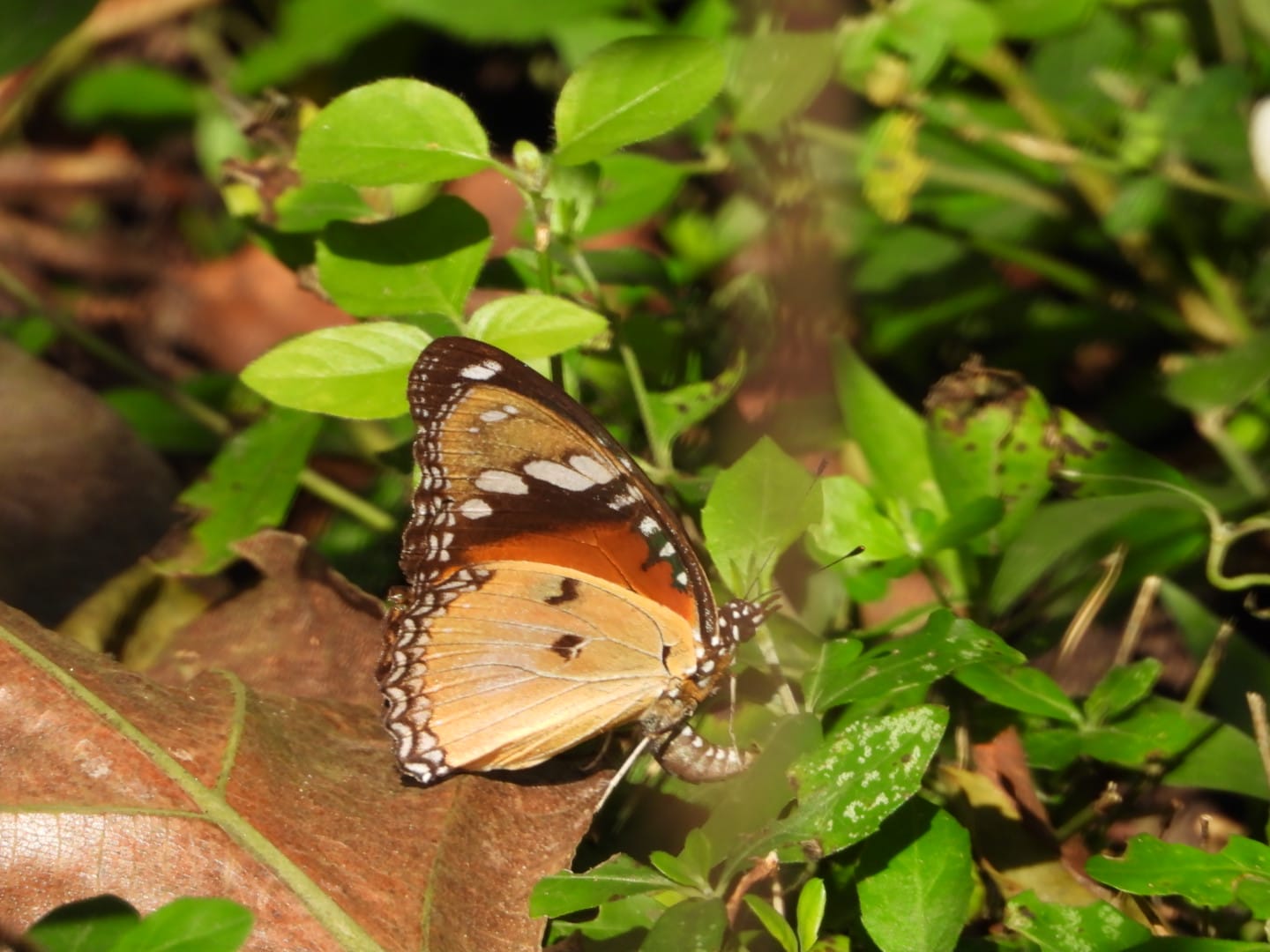
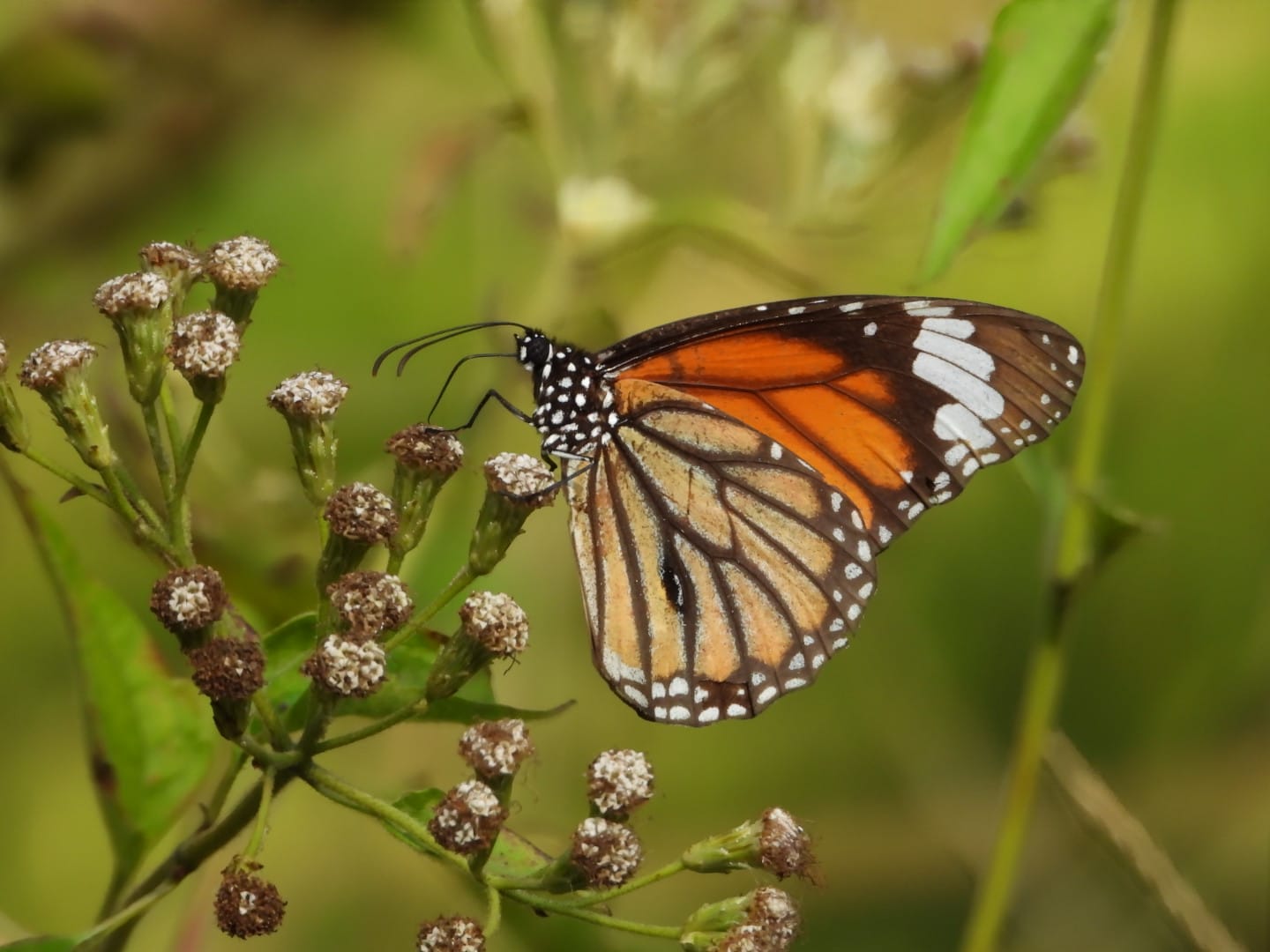
Being a Tiger Reserve, many of the delegates were all-too-expectant of coming across the jungle beauty......But the elusive tiger never granted a darshan to any of the delegates who were spread over 25 plus base camps in the 285 sq km Reserve. Parambikulam is home to the second highest tiger population in the state. It underscores the fact that a great amount of fortune is required to come across a beast even in a reserve established to upkeep the species. (unlike in some other Project Tiger areas like Tadoba, Kanhai or Ranthambore where tigers are easily spotted). Notwithstanding the seminal disappointment, delegates did come across many a 'tiger' which included Glassy Tiger, Dark Blue Tiger, Striped Tiger, Plain Tiger, Nilgiri Tiger etc all of which belong to notable butterfly population....! Obviously, by encountering the varied flying jewels the delegates must have got equally excited.... The Faunal Survey came to an end with the valedictory function held in the afternoon of January 14, 2024, when records were compiled and findings analysed. The final data was presented therein. The highlight of the findings was that eleven new species were recorded for the first time in the tiger reserve. The delegates bade good bye to Parambikulam Tiger Reserve with many a lingering memory, which will certainly spur them to return at the next opportunity itself....
By Sanjayan KB